
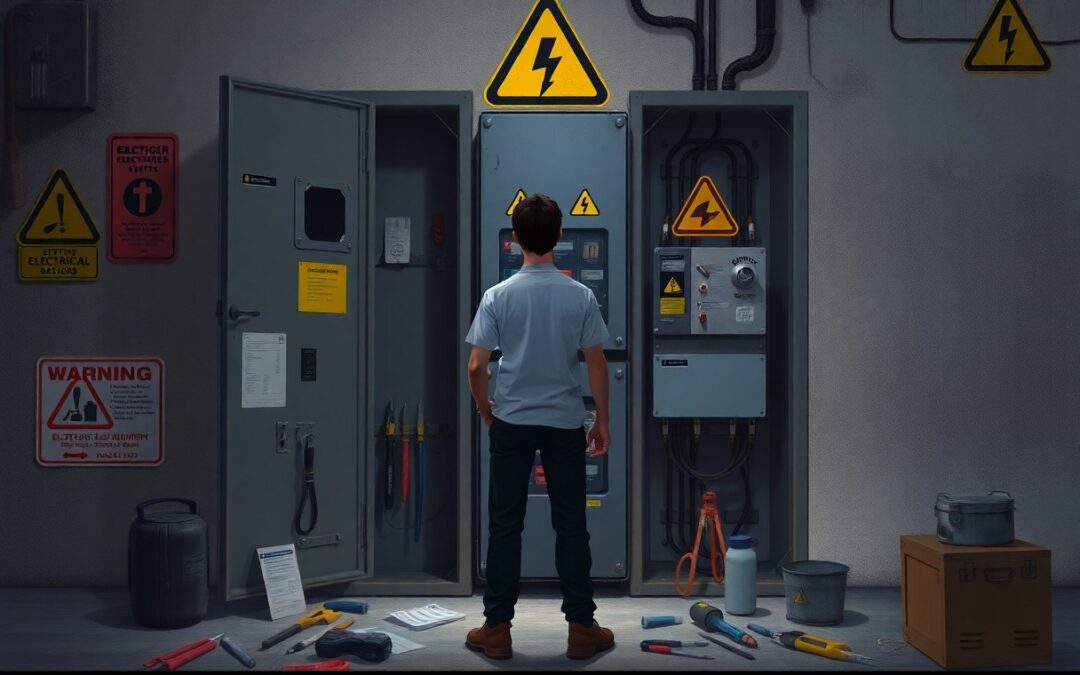
DIY electrical repairs might seem like a cost-effective solution, but the risks involved can have serious consequences. If you’re considering tackling an electrical issue on your own, it’s crucial to understand that improper handling can lead to severe injuries, property damage, or even fatalities. Electricity is unpredictable and dangerous, and without the knowledge and experience of a professional electrician, you could create more problems than you solve. Prioritize your safety and the integrity of your home by entrusting electrical repairs to certified experts.
Understanding Electrical Systems
For any homeowner, comprehending the fundamentals of electrical systems is important to ensuring safety and functionality. An electrical system is a complex network that powers your home, consisting of wiring, circuits, outlets, and breakers. Understanding how these components interact allows you to identify issues and better appreciate the potential risks involved in DIY repairs.
Basics of Household Electrical Systems
Before you investigate repairs, it’s vital to grasp the basics of household electrical systems. These systems typically include a main service panel, circuit breakers, and wiring that connects various outlets and fixtures within your home. Familiarizing yourself with these elements will help you understand power flow and the possible dangers of working with electricity.
Common Electrical Problems
After getting acquainted with the basics, you may encounter common electrical problems in your home. Issues such as flickering lights, tripped breakers, and dead outlets are often symptoms of underlying problems. Recognizing these signs is the first step toward addressing potential hazards.
To mitigate risks, you should always be aware of common electrical problems, such as faulty wiring, overloads, and short circuits. These issues can lead to dangerous situations, including electrical fires or shocks. When you notice symptoms like circuits frequently tripping or buzzing outlets, it’s a warning that your system requires professional attention. Skipping the necessary repairs or trying to fix these problems on your own could not only exacerbate the issue but also place you and your home in serious jeopardy.
Risks of DIY Electrical Repairs
One of the most significant risks of DIY electrical repairs is the potential for accidents that can cause severe injuries or even fatalities. Without proper knowledge and expertise, you might unknowingly expose yourself to hazards such as electric shocks or fires, jeopardizing not only your safety but also the well-being of your household.
Safety Hazards
Safety issues arise when you attempt electrical repairs without adequate knowledge. Inadequate handling of wiring or connectors can lead to electric shocks that endanger your life. Additionally, improper connections may cause sparks, igniting nearby materials and resulting in devastating fires.
Potential for Further Damage
Safety is not the only concern; unforeseen complications may arise during DIY electrical work. If you miscalculate or mistakenly alter electrical components, you might inadvertently create faults in the system, leading to significant issues such as short circuits or overloaded circuits. These problems could require expensive repairs or replacement of entire systems, far exceeding the cost of hiring a professional from the outset.
A small oversight in your DIY electrical repair may lead to much larger problems down the line. Incorrect wiring can cause devices to malfunction, erasing warranties and potentially posing hazards to household members. You risk causing permanent damage to your electrical systems, which could escalate your repair costs significantly beyond what a professional service would have charged initially. Avoid the headache and unnecessary financial burden by opting for certified electricians to handle such tasks.
Legal Implications of DIY Repairs
Some homeowners underestimate the legal consequences that can arise from DIY electrical repairs. Engaging in improper electrical work can lead to serious liabilities, including fines and potential legal action. It is important to be aware of local regulations and codes, as noncompliance may not only result in penalties but also jeopardize your home insurance coverage. Always consider the legal ramifications before undertaking any electrical projects.
Code Violations
Below are the potential code violations you could face when performing DIY electrical work. Many jurisdictions require electrical installations to comply with specific safety codes. Failing to adhere to these guidelines can lead to dangerous situations, including the risk of electrical fires and accidents. Moreover, improper installations may necessitate costly repairs and make it difficult to sell your home in the future.
Insurance Concerns
Repairs done without proper permits or in violation of local codes can lead to serious insurance issues. If a DIY electrical project causes damage or injury, your home insurance policy may not cover the loss, leaving you financially responsible. Insurers often investigate the cause of incidents, and if they find that you performed unauthorized work, they may deny your claim. It’s important to ensure any electrical repairs are performed by licensed professionals to safeguard your investment and comply with your insurance requirements.
And should an incident occur due to your DIY electrical efforts, the ramifications can be severe. You could face hefty out-of-pocket expenses that arise from property damage or personal injury claims. Additionally, your insurance provider may review your history and decide to increase premiums or even cancel your policy entirely, effectively leaving you vulnerable. Therefore, it’s strongly advisable to handle electrical repairs through certified electricians to protect both your property and your financial future.
Expert Insights
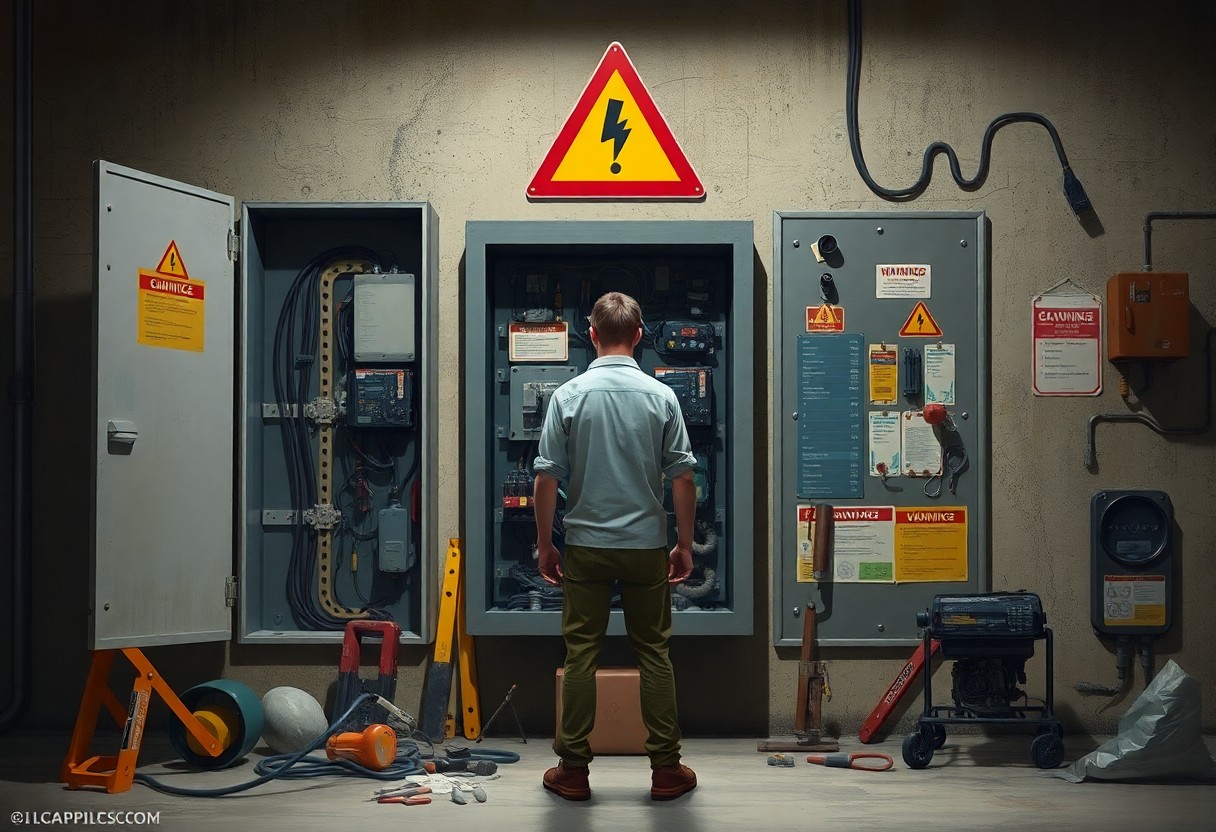
All DIY electrical repairs can lead to severe consequences, which is why seeking expert insights is vital. Licensed electricians possess the necessary training, experience, and knowledge to tackle complex electrical systems safely. Their expertise ensures that repairs are conducted according to local codes and standards, minimizing the risk of fire, electrocution, or further damage to your property.
The Role of Licensed Electricians
After assessing any electrical issue, licensed electricians bring both skill and safety to the table. They systematically evaluate your electrical system, ensuring that all repairs are performed correctly and efficiently. Their adherence to safety regulations not only protects their own well-being but also safeguards you and your home from potential hazards.
Cost vs. Risk Analysis
Along with the perceived savings from DIY projects, it is necessary to weigh the risks involved. Opting for DIY electrical repairs can often lead to more significant issues that require costly interventions later on. The potential for dangerous situations, such as fires or injuries, far outweighs the initial savings you might think you’re gaining.
Hence, evaluating your financial decisions related to DIY electrical repairs is critical. While saving money may seem appealing, the potential for harm and the risk of costly mistakes should make you reconsider. Hiring a licensed electrician may appear more expensive upfront, but it provides peace of mind and ensures your safety in the long run. When you consider the cost of property damage or medical bills resulting from electrical failures, the expense of professional help becomes a wise investment for protecting your home and loved ones.
Alternatives to DIY Repairs
Now that you understand the risks involved in DIY electrical repairs, it’s important to consider reliable alternatives that ensure your safety and compliance with legal standards.
Professional Repair Services
Before attempting any electrical work yourself, it’s wise to consult a licensed electrician. They possess the training and experience necessary to diagnose and fix issues effectively, minimizing your risk of electrical hazards and ensuring your home remains safe.
When to Call an Electrician
At any sign of electrical issues, such as flickering lights, frequent circuit breaker trips, or burning smells, calling an electrician is advisable. These symptoms can indicate serious underlying problems that require immediate professional attention.
Indeed, ignoring electrical problems could lead to dangerous situations such as electrical fires or severe shocks. By calling an electrician promptly, you safeguard your home against potential disasters and ensure repairs are made according to safety standards. Whether it’s a minor issue or a more significant concern, relying on a professional means you can have peace of mind knowing the job is done right, keeping your family and property safe.
Tips for Safe Electrical Practices
Many homeowners underestimate the importance of following safe electrical practices. To protect yourself and your home, consider these necessary tips:
- Always turn off power before starting any work.
- Use insulated tools to prevent accidental shocks.
- Keep electrical panels clear and accessible.
- Check for water exposure near electrical installations.
- Hire a professional for complex tasks.
Recognizing the potential hazards of electricity can help you make informed decisions about your safety.
Preventative Measures
After learning basic safety tips, you should implement preventative measures to reduce the risk of electrical issues. Regularly inspect your electrical systems for signs of damage, such as frayed wires or flickering lights. Installing surge protectors, using proper wattage light bulbs, and ensuring your home has functional smoke detectors can significantly decrease the likelihood of electrical fires. Routine maintenance by a qualified electrician is also key to identifying potential hazards before they escalate.
Knowing Your Limits
For every DIY enthusiast, understanding your limits is vital. You may feel confident tackling minor repairs, but it’s necessary to recognize when a task exceeds your skill level. Attempting complex electrical projects without the necessary expertise can lead to severe consequences, including electrical shock or fire hazards. Seeking professional help is often the safest option.
Considering your own skills and the complexity of electrical systems is fundamental. If you lack experience with high voltage wiring or intricate circuitry, it is best to avoid these tasks altogether. Many DIY projects can seem straightforward, but they may conceal risks that are not immediately apparent. Always assess whether your understanding of code compliance and safety protocols is strong enough to ensure your and your family’s safety. Searching for help from a professional electrician can save you from potentially life-threatening situations while ensuring all repairs are performed safely and correctly.
To wrap up
Drawing together the risks associated with DIY electrical repairs, it’s important to recognize that tackling these tasks without proper knowledge and experience can lead to serious safety hazards, including electrical fires or injuries. You may save money upfront, but the potential costs of accidents, damage, or injuries can be far greater. By relying on professionals, you ensure that your electrical systems are safe and compliant with regulations, giving you peace of mind. Prioritize your safety and the integrity of your home by opting for expert assistance with electrical repairs.
FAQ
Q: Why is it dangerous to attempt DIY electrical repairs?
A: Attempting DIY electrical repairs can be dangerous due to the risk of electrical shock, which can cause serious injury or even be fatal. Additionally, improper repairs can lead to electrical fires, equipment damage, or code violations that may pose further hazards. Professional electricians are trained to handle these situations safely and efficiently.
Q: What are the common mistakes people make when doing DIY electrical work?
A: Common mistakes include neglecting to turn off the power, using inappropriate tools or materials, failing to follow local electrical codes, and misconnecting wires. These errors can result in malfunctioning electrical systems, increased risk of accidents, and costly repairs down the line.
Q: How can DIY electrical work affect home insurance coverage?
A: Many home insurance policies require that electrical work be performed by licensed professionals. If you conduct DIY repairs and they lead to damage or a fire, your claim may be denied because the work does not meet the policy’s requirements or safety standards.
Q: Are there any legal repercussions for conducting DIY electrical repairs?
A: Yes, conducting unlicensed electrical work can lead to legal issues, including fines. Many regions have laws that mandate that electrical repairs and installations must be performed by certified electricians to ensure safety and compliance with current codes.
Q: What should be done if someone suspects an electrical issue in their home?
A: If there is a suspicion of an electrical issue, it is best to contact a licensed electrician. They can diagnose the problem accurately and provide safe and effective solutions. Attempting to fix the issue without proper knowledge and experience can exacerbate the problem and create larger safety concerns.