
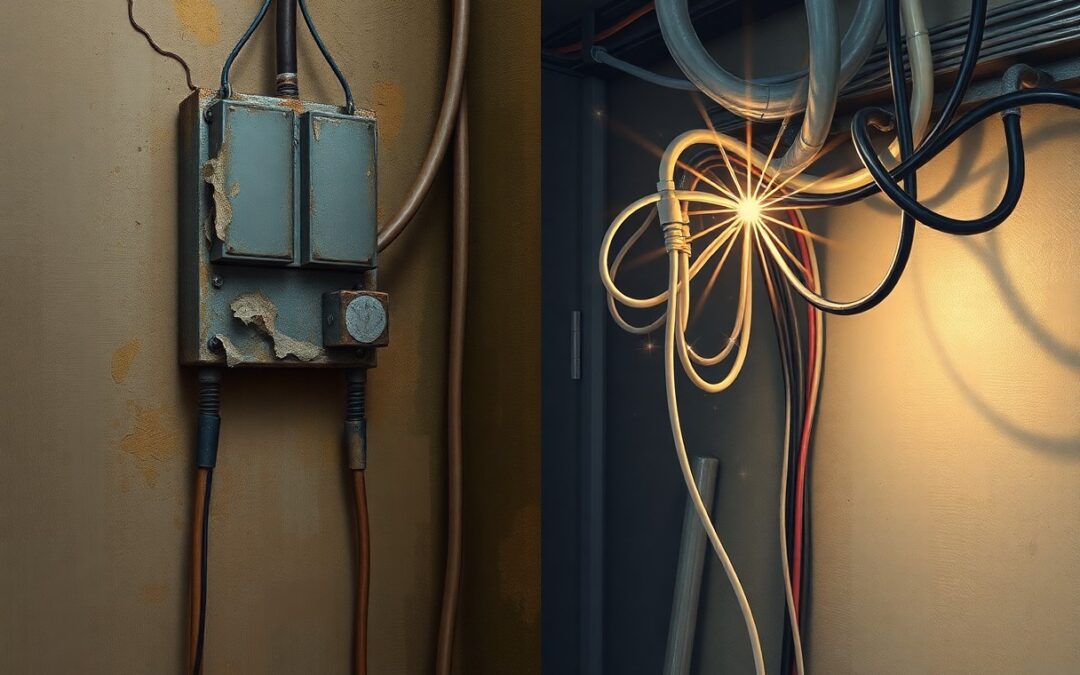
Replace your anxiety over old wiring with knowledge! As a homeowner, it’s vital to recognize the signs that indicate your electrical system is outdated or unsafe. Faulty wiring can lead to fire hazards, frequent outages, and even potential electrical shocks. By understanding when to replace your wiring, you ensure the safety and efficiency of your home’s electrical system. Tune in to learn more about those telltale indicators that signal it’s time for an upgrade!
Understanding Old Wiring
Before delving into the topic of old wiring, it is imperative to recognize the potential hazards and inefficiencies it can create in your home. Old wiring systems can include various materials and installation techniques that may no longer meet safety standards. As you familiarize yourself with the different types of wiring and their associated risks, you will be better equipped to make informed decisions about whether it’s time to replace or upgrade your electrical system.
Signs of Deterioration
After examining your wiring, pay attention to the signs of deterioration. Look for fraying insulation, exposed wires, or frequent circuit trips, as these can indicate serious issues. Additionally, any signs of burning or a persistent burning smell should not be ignored. Addressing these warning signs promptly can save you from costly damage and potential electrical fires.
Common Types of Old Wiring
Another important aspect to consider is the common types of old wiring found in homes. Recognizing the specific wiring types helps you understand their risks and necessary upgrades. Below is a brief overview of the types:
| Type of Wiring | Risks/Comments |
| Knob-and-Tube | Often lacks grounding; potential fire hazard. |
| Aluminum Wiring | Can overheat and cause fires; often improperly connected. |
| Old Romex® | May not meet today’s safety codes; risk of wear. |
| Flexible Metal Conduit | Can corrode; may reduce safety over time. |
| Single-Strand Copper | More reliable, but aging can lead to degradation. |
- Knob-and-Tube wiring poses a significant risk due to its lack of grounding.
- Aluminum Wiring is known for overheating and fire hazards.
- Old Romex® wiring may no longer meet current safety codes.
- Single-Strand Copper wiring can also degrade with age.
- After understanding these types of wiring, you can assess your home’s needs effectively.
Being informed about the various types of wiring in your home is imperative for ensuring safety and compliance with current electrical standards. Understanding how these different systems can affect your home’s electrical efficiency can empower you to make decisions that benefit your safety and comfort. By recognizing the characteristics of each wiring type, you can identify necessary upgrades to enhance your home’s electrical performance.
- Know your wiring type to anticipate any needed replacements.
- Assess potential risks to prevent electrical hazards.
- Upgrade to modern standards for better safety.
- Professional evaluation ensures accurate recommendations.
- After making informed choices about your home’s wiring, you can enhance safety and functionality.
Safety Risks Associated with Old Wiring
There’s a significant risk involved when you live with old wiring. Aging electrical systems can lead to dangerous situations, including electrical fires, shocks, and even equipment failure. As wires deteriorate over time, the integrity of your home’s electrical system becomes compromised, making it imperative to assess your wiring regularly to maintain your safety and that of your home.
Fire Hazards
Behind the convenience of your electrical system lies the potential for dangerous fire hazards. Old wiring can overheat, leading to insulation breakdown and arcing, that has the potential to ignite flammable materials in your home. In order to protect your property and loved ones, it’s vital that you address aging wiring before it becomes a catastrophe.
Electrical Shock Risks
For homeowners, the threat of electrical shock is a serious concern that comes with old wiring. As insulation wears away and wires become frayed, the risk of accidental touch increases, putting you at higher risk for severe injury or even death from a shock. Inadequate grounding and outdated outlets exacerbate these dangers, emphasizing the need for timely electrical upgrades.
Even minor issues in your old wiring system can lead to significant electrical shock risks. Your safety is directly compromised when wires are damaged or improperly installed. If you have appliances or outlets that malfunction or seem unusual, you may be unintentionally exposing yourself to life-threatening high voltage. Investing in a thorough inspection and replacement of outdated wiring not only enhances your comfort but also provides a safer living environment for you and your family.
When to Replace Old Wiring
You should be vigilant about the condition of your home’s electrical wiring. If you notice signs like flickering lights, frequent blown fuses, or the smell of burning plastic, it may signal that it’s time for an upgrade. Additionally, consider the safety risks associated with outdated systems, such as fires or electric shocks, which are often preventable with timely replacements.
Age of the Wiring
Across homes built before the 1980s, you may encounter outdated wiring systems that do not meet today’s safety standards. If your home has not had a rewiring since its construction, consider a thorough inspection by a qualified electrician. Wiring older than 40 years could be more prone to hazards, and addressing the age of your wiring system can significantly improve your safety.
Renovations and Upgrades
Across any significant renovations or upgrades in your home, it is wise to assess your wiring system. New appliances and additional circuits require the electrical infrastructure to accommodate their demands. If your existing wiring cannot support these changes, you might face issues such as overloading circuits or inadequate power supply, leading to potential fire hazards.
Further, when undertaking renovations such as adding rooms or upgrading your home’s systems (like heating and cooling), it’s important to check how your existing wiring can support these enhancements. Installing new appliances may strain older systems not designed for today’s energy requirements. Consider a full assessment of your wiring before commencing any upgrades, as this ensures your home remains safe and capable of handling increased electrical loads.
Choosing the Right Replacement Wiring
For a safe and effective upgrade to your home’s electrical system, selecting the right replacement wiring is crucial. You’ll want to consider the types of wiring available, as well as any relevant local codes or regulations. Doing proper research will help ensure that your home’s electrical infrastructure meets your needs and enhances safety.
Types of Modern Wiring
Wiring options have evolved greatly, providing you with more reliable choices than in the past. Here’s a breakdown of commonly used wiring types:
| Type | Features |
| NM Cable | Lightweight, easy to install, but not moisture-resistant. |
| MC Cable | Metal sheath, good for high-stress environments. |
| UF Cable | Suitable for underground installations, moisture-resistant. |
| TW/THHN | Insulated wires for various applications, heat resistant. |
| Romex | Household use, flexible and easy to work with. |
Assume that you familiarize yourself with these types to make a well-informed choice.
Professional vs. DIY Replacement
Among the options for replacing wiring, you may face the decision of whether to hire a professional or tackle the project yourself. Each choice has pros and cons, but it is vital to weigh your skills against the complexity of the job.
It’s important to note that while DIY projects can save you money, improper installation can lead to fire hazards and electrical failures, putting you and your family at risk. While a professional may incur costs, their knowledge ensures compliance with code regulations and safe installations. Consider your comfort level and the potential risks involved; it’s always best to choose the option that prioritizes your safety.
Cost Considerations
To effectively budget for replacing your old wiring, it’s important to assess the overall project costs. Hiring a licensed electrician can range from $50 to $100 per hour, depending on your location and the complexity of the job. Additionally, the cost of materials such as wiring, outlets, and circuit breakers can add up. Always plan for unexpected expenses, which may arise due to unanticipated repairs or upgrades required during the replacement process.
Budgeting for Replacement
Along with knowing the costs associated with labor and materials, it’s wise to establish a clear budget before starting your wiring project. Take into account any potential need for home repairs or updating architectural elements to accommodate the new wiring. A comprehensive budget will help you stay organized and avoid unnecessary financial strain.
Long-term Savings
Below the surface, replacing old wiring can lead to significant long-term savings. Updating your electrical system increases energy efficiency, which can result in lower utility bills. Also, newer circuits comply with modern safety standards, reducing the risk of potential fire hazards that could lead to costly damages. Investing in updated wiring not only enhances the safety of your home but can also increase your property value over time.
Hence, the benefits of upgraded wiring extend beyond safety and efficiency. By minimizing energy waste through modern systems, you can see a substantial reduction in your monthly energy costs. In addition, lower insurance premiums may come from having updated safety standards, making your home less risky to insure. Investing in new wiring today can save you money in the long run, protect your home, and give you peace of mind.
Maintaining Your Electrical System
Now is the perfect time to prioritize the maintenance of your electrical system. Regular upkeep ensures that all components are functioning efficiently and safely, reducing your risk of hazards such as electrical fires. By taking preventive measures, you not only prolong the life of your wiring but also enhance the overall safety of your home.
Regular Inspections
Before you experience any major problems, schedule regular inspections of your electrical system. A licensed electrician can identify potential issues and verify that all components are in good condition. Maintaining a consistent inspection schedule allows you to catch concerns early and minimize risks to your home and family.
Signs You Need a Professional
Professional guidance is important if you notice unexpected changes in your electrical system. Keep an eye out for symptoms such as flickering lights, frequent circuit breaker trips, or burning smells; these could indicate serious underlying issues. Addressing these signs as soon as possible will ensure your safety and that of your family.
Regular evaluation of your electrical system is key to safety. If you experience problems like inconsistent power supply or unusual odors, it’s time to consult a professional. Don’t overlook these signals; they might be indicators of severe electrical issues that could ultimately lead to fire hazards or further damage to your electrical system. By taking action early, you protect your home and ensure a safe living environment.
Summing up
With this in mind, recognizing when it’s time to replace old wiring in your home is necessary for ensuring your safety and comfort. If you notice frequent circuit breaker trips, flickering lights, or a burning smell, it’s wise to consult with a professional electrician. Investing in new wiring will not only enhance the safety of your home but also improve its energy efficiency. Taking proactive measures can save you from costly repairs and potential hazards down the line, so stay informed and prioritize your electrical system’s health today.
FAQ
Q: What signs indicate that my home’s wiring needs to be replaced?
A: Common signs your wiring may need replacement include frequent tripped breakers, flickering lights, buzzing sounds from outlets or switches, burn marks or discoloration around electrical outlets, and the use of ungrounded two-prong outlets. If you experience any of these issues, it’s advisable to have a qualified electrician assess your system.
Q: How often should I have my electrical wiring inspected?
A: It’s wise to have your electrical wiring inspected every 5-10 years, especially if your home is older than 25 years. Additionally, if you undertake significant renovations or add new appliances, an inspection can help ensure your wiring can handle the added load.
Q: Are there specific types of wiring that are more prone to needing replacement?
A: Yes, certain types of older wiring, such as knob-and-tube wiring and aluminum wiring, are particularly susceptible to issues like overheating and fire hazards. If your home has either of these, it’s important to consult with an electrician about replacement options to enhance safety.
Q: What is the process of replacing old wiring in my home?
A: Replacing old wiring typically involves an initial inspection to assess the current system. An electrician will then create a detailed plan, which may include updating the circuit breaker panel. The replacement process often includes removing old wires and installing new ones throughout the house, which may also involve opening up walls. After installation, the electrician will conduct testing to ensure everything is operating safely and correctly.
Q: How can I prepare for a wiring replacement project?
A: To prepare for a wiring replacement, it’s helpful to clear areas around outlets and switches for easy access. Discuss the timeline and potential disruptions with your electrician, and ensure you have arrangements for temporary living situations if needed, especially if your home will be without power for an extended period. Keeping an open line of communication with your electrician will also ensure a smoother process.