
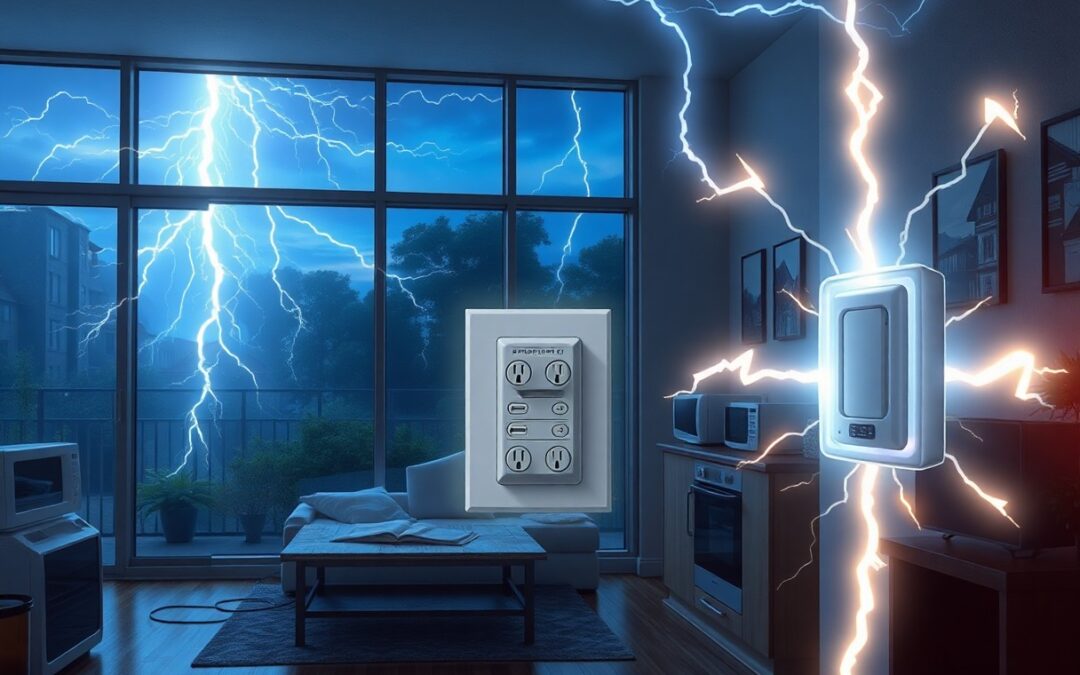
Surge events can wreak havoc on your home’s electrical system and appliances. Understanding what causes these surges, such as lightning strikes, power outages, or faulty wiring, is vital for you to safeguard your valuable electronics. Protecting your home involves implementing strategies like installing surge protectors and ensuring your electrical system is up to code. In this post, you will learn about the common causes of power surges and effective methods to shield your home from potential damage.
Understanding Power Surges
The electrical system in your home can experience sudden spikes in voltage, known as power surges. These surges can cause significant damage to your electrical devices and appliances. Understanding the nature of power surges is important to protect your home effectively.
Definition and Types of Power Surges
With a power surge, the voltage in your electrical system increases significantly and temporarily. There are two primary types of power surges:
| External Surges | Caused by factors outside your home, such as lightning strikes or utility grid switching. |
| Internal Surges | Result from large appliances cycling on and off within your home, causing brief increases in voltage. |
| Transient Surges | Short-lived surges, often generated from electrical equipment. |
| Voltage Spikes | Very quick spikes in voltage lasting a few microseconds. |
| Lightning Strikes | A major source of power surges that can travel through wiring and damage your electronics. |
Knowing the types of power surges can help you take the necessary steps to protect your devices.
Common Causes of Power Surges
Causes of power surges can originate from natural and man-made events. You should be aware of these common factors to safeguard your home.
It is important to understand that many power surges result from lightning strikes, which can introduce massive spikes in voltage, potentially damaging all connected devices. Additionally, if a large appliance, like a refrigerator or air conditioner, turns on or off, it can create internal surges that might affect your smaller appliances. Other contributing factors could stem from poor electrical wiring or utility switchovers, which can increase voltage unexpectedly. Being informed about these potential causes helps you locate effective surge protection strategies.
How to Identify Potential Risks
It is necessary for you to recognize potential risks that could lead to power surges in your home. By identifying these threats, you can take proactive steps to safeguard your electrical system and ensure the safety of your appliances and devices.
Factors Contributing to Power Surges
Any number of factors can lead to power surges in your household. Some of the most common include:
- Lightning strikes
- Power outages
- Faulty wiring
- Powering up large appliances
This mixture of influences can create an unpredictable electrical environment in your home.
Signs of Electrical Issues in Your Home
An awareness of the signs of electrical issues can help you prevent power surges. Look out for flickering lights, tripping circuit breakers, or burning smells in your home, as these can indicate underlying electrical problems that need attention.
Contributing factors such as outdated wiring, overloaded circuits, and loose connections can exacerbate surges and pose serious risks. If you notice any unusual heat coming from outlets or experience frequent fluctuations in power, it’s important to consult a professional electrician. Your safety and the integrity of your electrical system should always be a priority.
How to Protect Your Home from Power Surges
Clearly, safeguarding your home against power surges involves multiple layers of protection. By implementing the right measures, you can significantly reduce the risk of damage to your electrical devices and systems. These methods include installing surge protectors, ensuring regular maintenance of your electrical system, and being mindful of your energy usage.
Installation of Surge Protectors
Power surge protectors are an vital part of any home’s electrical safety plan. You should consider installing whole-house surge protectors to shield your entire electrical system, as well as using plug-in models for sensitive devices. These protectors act quickly to divert excess voltage, helping to save your valuable electronics from harm.
Regular Electrical System Maintenance
Regular maintenance of your electrical system is key to preventing power surges. Ensuring that your wiring, circuit breakers, and outlets are in good condition helps to reduce the risk of surges caused by faults. Regular inspections, by a qualified electrician, allow you to identify potential issues before they escalate.
Another important aspect of regular electrical system maintenance is addressing loose connections and overloaded circuits. These problems can lead to voltage fluctuations that result in damaging surges. By proactively maintaining your system and addressing any potential hazards quickly, you can enhance the safety of your electrical system and extend the lifespan of your valuable appliances.
Tips for Homeowners
To effectively protect your home from unexpected power surges, consider implementing these simple strategies:
- Install a whole-house surge protector to shield all your devices.
- Use power strips with built-in surge protection for individual electronics.
- Avoid overloading circuits, as this can lead to surges.
- Unplug sensitive devices during severe weather or when away.
Recognizing the signs of potential surge risks can enhance your home’s safety.
Safeguarding Appliances and Electronics
Little investments in protective devices can save you from costly repairs. Plugging your valuable electronics into surge protectors is a simple yet effective way to prevent damage. Regularly check the condition of your protective devices to ensure they function properly, especially after a power surge.
Best Practices for Power Management
Some techniques for efficient power management can significantly decrease your exposure to power surges. For instance, routinely checking wiring and ensuring your electrical system meets current standards can mitigate risks. Regularly schedule maintenance checks with a professional electrician to identify any potential issues before they escalate. This proactive approach allows you to enjoy your electronics safely and reduces the impact of fluctuations in your power supply, thereby protecting your investments.
Electronics are highly susceptible to damage from power surges, which can lead to significant costs for repairs or replacements. By managing your power supply and incorporating protective measures, you can create a safer environment for your appliances. When surges occur due to extreme weather or electrical malfunctions, having protective systems in place can help ensure your devices remain functional. Maintain awareness of your home’s electrical capacity and make it a priority to safeguard your electronic investments.
When to Consult Professionals
Not every electrical issue requires professional help; however, if you notice persistent problems like frequent tripping breakers or flickering lights, it’s time to consult a qualified electrician. These specialists have the knowledge to diagnose the underlying issues and ensure that your home’s electrical system operates safely. Don’t hesitate to reach out before a small problem escalates into something more severe.
Recognizing Electrical Problems
Clearly, there are signs that indicate you might be facing electrical problems. Pay attention to unusual occurrences such as buzzing sounds, burnt smells, or hot outlets. If your circuit breakers trip often or your lights dim when you use heavy appliances, these could be red flags signaling the need for professional analysis.
Finding a Qualified Electrician
Electrical work should always be handled by a licensed professional. Start by asking for recommendations from friends and family, and ensure the electrician you choose has the appropriate certifications and positive reviews. Also, check if they are insured to protect you from potential liabilities.
With a little effort in conducting research, you can find a qualified electrician who meets your needs. Start by asking for referrals from those you trust. Check their credentials and ensure they are licensed and insured. It’s important that you choose someone who specializes in residential electrical work. You can also look for online reviews and ratings to gauge their reputation. Make sure to get multiple quotes before deciding, as this allows you to compare service offerings and prices to find the best fit for your home.
Additional Resources
Now that you understand the causes of power surges and how to protect your home, you may want to explore additional resources to further enhance your knowledge and safety. Whether it’s recommended products to safeguard your devices or informative guides that deepen your understanding, there are many valuable materials available to help you.
Recommended Products
If you are looking for reliable products to protect your home from power surges, consider investing in high-quality surge protectors, whole-home surge protection systems, and unplugging devices during storms. These products are crucial for keeping your electronics and appliances safe from unexpected voltage spikes.
Helpful Webinars and Guides
On your journey to becoming more informed about power surges, participating in informative webinars and reading expert guides can be incredibly beneficial. These resources often cover a range of topics, including the science behind electrical surges, tips for minimizing risks, and troubleshooting advice.
Another great way to enhance your understanding is by engaging in webinars offered by electrical safety organizations or home improvement experts. These sessions provide insights into how you can mitigate risks associated with power surges. Additionally, downloadable guides often include step-by-step instructions on installing protective devices and maintaining your electrical system, ensuring that you can make informed choices for your home safety.
To wrap up
The causes of power surges can range from lightning strikes to everyday appliances. To protect your home, consider installing surge protectors, using uninterruptible power supplies, and practicing careful management of your electrical devices. By taking these steps, you can safeguard your electronics and prolong their lifespan, ensuring that power fluctuations do not disrupt your daily life.
Q: What are the most common causes of power surges?
A: Power surges can be caused by several factors. The most common causes include lightning strikes, which can send high-voltage energy into home electrical systems. Additionally, issues within the electrical grid, such as sudden changes in demand or equipment malfunctions, can create surges. Other causes include large appliances turning on and off, such as refrigerators and air conditioners, which can momentarily draw more power than usual.
Q: How can thunderstorms affect my home’s electrical system?
A: Thunderstorms can significantly impact your home’s electrical system, primarily through lightning strikes. When lightning strikes a power line or transformer, it can generate a massive surge of electricity that travels through the electrical system. This can lead to equipment damage and electrical fires. Furthermore, thunderstorms can cause power outages and fluctuations, which can also lead to surges when power is restored.
Q: Can my appliances cause power surges?
A: Yes, certain appliances can cause power surges. When large devices such as refrigerators, air conditioners, and washing machines start, they require a large amount of electricity, leading to a brief surge. These ‘inrush currents’ can create fluctuations in the electrical system, potentially affecting other appliances. Hence, it’s important to manage the use of multiple high-wattage appliances simultaneously to minimize the risk of surges.
Q: What are the best ways to protect my home from power surges?
A: Protecting your home from power surges can be achieved through several methods. Installing surge protectors for your electronic devices is highly recommended. You can choose from power strips with built-in surge protection for individual items or a whole-house surge protector, which is installed at the electrical panel. Additionally, unplugging sensitive electronics during severe weather can provide extra protection against unexpected surges.
Q: How can I tell if my home has experienced a power surge?
A: Signs that your home may have experienced a power surge include tripped circuit breakers, blown fuses, or damage to electronic devices such as computers and televisions. You may also notice flickering lights or appliances behaving erratically, which are indicators of electrical issues. If you suspect a surge has occurred, it’s advisable to have a qualified electrician assess your electrical system for any potential damage.